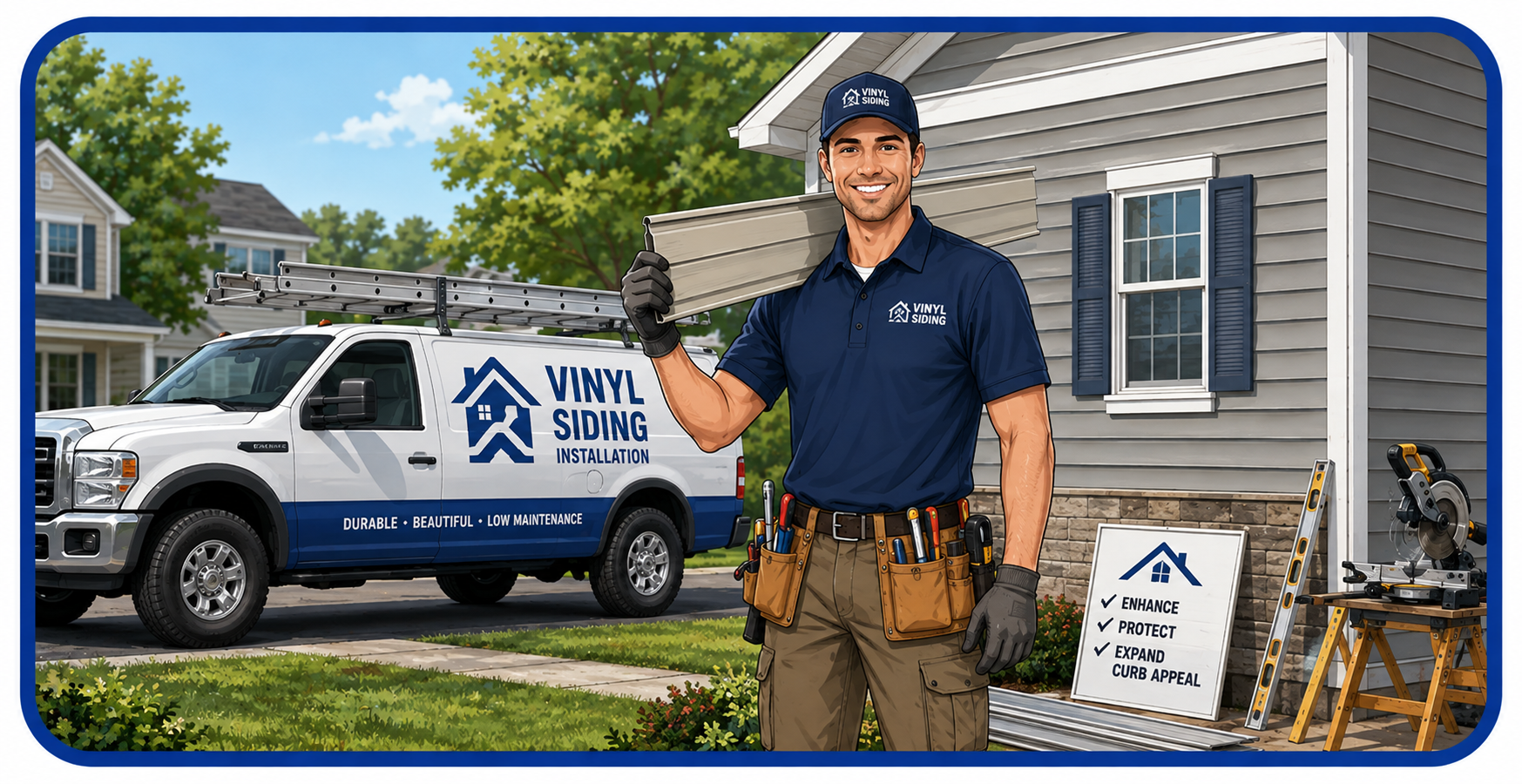
Fiber Cement Siding in Washington, GA
Planning fiber cement or fixing cracked, swollen, or poorly installed planks? A single call routes you to a licensed and insured independent fiber cement specialist in Washington who installs it the way the manufacturer intends.
- Phones answered 24/7
- Free, no-obligation call
- Written quotes first
- Licensed & insured independent pros
A live dispatcher picks up day or night. Free call, connected to an independent local fiber cement specialist.
Tap to Call +1-844-782-0929Heavy, Tough, and Unforgiving of Shortcuts
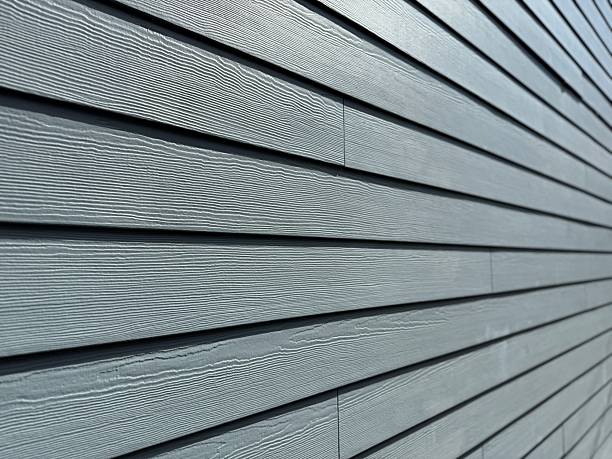
Fiber cement is a mix of portland cement, sand, and cellulose fibers pressed into planks, panels, and shingles. It does not burn, insects ignore it, and it holds paint far longer than wood. It is also heavy, fragile until it is nailed off, and far less forgiving of install mistakes than vinyl.
Cutting is where fiber cement gets serious. Because it contains crystalline silica, pros cut it with shears or a dust-extracting saw hooked to a HEPA vac, outdoors and downwind, never by dry-cutting with an abrasive blade indoors.
Fastening is just as specific. Planks are typically blind-nailed through the top edge or face-nailed per the manufacturer's schedule, with nails set flush, never overdriven. A nail driven too deep cracks the plank and weakens its grip. Every butt joint gets a strip of flashing behind it, and the bottom course stays well above soil, patios, and roof surfaces.
The finish is another decision. Factory-finished planks come with a baked-on coating and matching touch-up kits, while primed planks get painted on site. In both cases, cut ends get sealed and trim gaps get a compatible sealant.
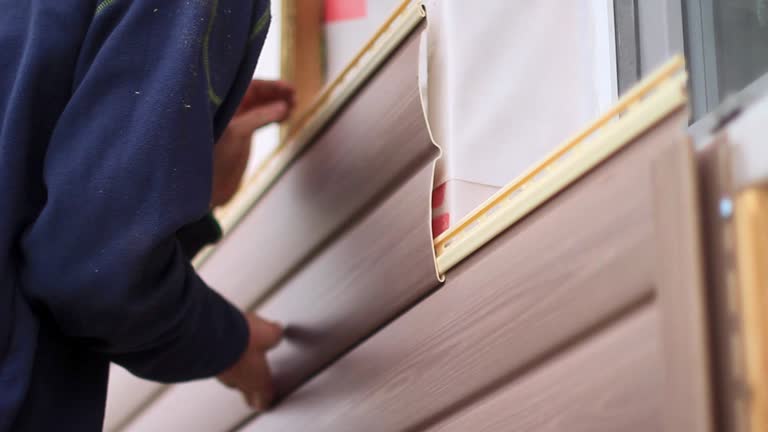
Why Choose Our Specialized Fiber Cement Siding in Washington, GA
Fiber cement takes heavier equipment and stricter technique, and those are the pros we route Washington calls to.
Licensed & Insured Pros
Calls go to independent contractors who represent that they carry the licensing and insurance required in Washington.
Fast Local Dispatch
Your call goes to a fiber cement contractor already working near Washington, so scheduling stays quick.
Upfront, Written Pricing
Expect a written quote listing profile, finish, trim, flashing, and paint or touch-up work.
Silica-Safe Cutting Gear
Look for shears, dust-collecting saws with HEPA vacs, depth-adjustable nailers, and siding gauges for even reveals.
To be clear, Dominguez Construction Siding is a free referral service and not the contractor. The pros we connect you with are independent businesses, so confirm their license, insurance, and permits before work begins.
Fiber Cement Siding Services in Washington
The fiber cement work we route most often in Washington:
Fiber Cement Lap Installation
Complete lap installs with flashed butt joints, flush fasteners, and correct clearances.
Fiber Cement Panels and Battens
Sheet panels with battens or trim over seams, often over furring or a rainscreen in wet areas.
Fiber Cement Shingles and Shakes
Shake and shingle profiles that dress up gables, dormers, and accent areas.
Cracked Plank Replacement
Damaged planks are cut free, nails are cut or pulled, and new boards are slid in, fastened per spec, sealed, and painted or touched up.
Clearance and Edge-Swell Corrections
Boards wicking moisture at grade or roof lines are replaced with the right clearance and kick-out flashing.
Painting and Touch-Up
Primed planks get painted with compatible coatings, and prefinished boards get manufacturer touch-up at cuts and nail heads.
What a Fiber Cement Pro Looks For on an Existing Wall
Early fiber cement failures nearly always come down to installation, and the signs are clear to a trained eye. Cracks radiating from nail heads point to overdriven fasteners or nails placed too close to the plank edge. Opening butt joints suggest planks were not snugged together or lacked joint flashing.
Swollen or flaking bottom edges where siding meets a roof, deck, or slab show the board is wicking water because clearance was ignored. The contractor confirms kick-out flashing at each roof-wall junction and measures ground clearance all the way around.
The finish gets checked as well. Peeling paint on primed planks often means the wrong coating or painting in poor conditions, while chalking on factory finishes is normal aging that touch-up or repainting can address. That tells the pro whether you need a few planks swapped, a wall corrected, or just new paint and sealant.
Typical fiber cement requests
- Switching to fiber cement from vinyl or aluminum
- Planks cracked by impacts or nailing
- Swollen bottom edges near roofs and patios
- New construction fiber cement installs
- Repainting and touch-up on faded planks
Four Steps to a Fiber Cement Project
Call Dispatch
Let the dispatcher know whether it is a new install, a material change, or a repair.
Rapid Mobile Arrival
A nearby independent fiber cement specialist comes out to measure, check nailing and clearances, and inspect the sheathing.
Expert Assessment & Quote
You receive a written quote naming the profile, finish, trim, flashing, and painting plan.
Installation & Walkthrough
The job is done with dust controls and to spec, cleanup is handled, and you review the walls together.
What Washington Callers Said About Their Fiber Cement
A few follow-up comments from callers around Washington, used with permission and edited for length.
We switched from vinyl to fiber cement. The crew cut everything outside with a vacuum-equipped saw, flashed every joint, and kept the planks off the porch roof. It looks like a new house.
Rachel and Ben S.Fiber cement upgrade, WashingtonOur five-year-old fiber cement was cracking at the nails. The pro showed us every nail was sunk past the surface, replaced the worst planks, and wrote it up for the builder.
Luis A.Fiber cement repair, WashingtonThe bottom row on our garage was swollen where it met the driveway. They replaced it, raised the clearance, and sealed every cut end.
Joyce K.Edge swell correction, WashingtonTwo planks cracked when a ladder slipped. They were replaced and painted within the week, and they blend right in.
Andre P.Plank replacement, WashingtonWe went with shakes in the gables and lap siding below. The installer planned the layout so the gables look perfectly balanced.
Megan H.Fiber cement shakes, WashingtonCommon Questions About Fiber Cement Siding
Is fiber cement better than vinyl siding?
That depends on what matters most to you. Fiber cement is sturdier, fire-resistant, and great with paint, while vinyl is cheaper and nearly maintenance-free. A local contractor can explain which suits your house best.
How long does fiber cement siding last?
Properly installed fiber cement commonly lasts for decades. Paint or factory finishes need periodic attention, and caulk joints should be checked every few years.
Is fiber cement dust dangerous?
Fiber cement contains crystalline silica, and breathing the dust is a health hazard. Professional installers cut with shears or dust-collecting saws and HEPA vacuums, outdoors, to keep exposure down.
Can cracked fiber cement planks be repaired?
Yes. Individual planks can usually be removed and replaced without disturbing much of the wall. The new plank is sealed and painted or touched up to blend in.
Why is my fiber cement swelling at the bottom?
Bottom-edge swelling usually means the board sits too close to dirt, a slab, a deck, or a roof and absorbs moisture. The fix is new planks installed with correct clearance and flashing.
How much does fiber cement siding cost in Washington?
It usually runs higher than vinyl due to heavier material and more labor. Profile, finish, trim, height, and removal all factor in, and a written quote follows the site visit.
Where We Route Fiber Cement Calls
We route fiber cement calls from every part of Washington, including new subdivisions, custom homes, and older houses upgrading from wood or aluminum.
Builders and homeowners with newer fiber cement showing early problems are welcome to call for an assessment.
See the zip codes and nearby cities listed below.
Calls are answered around the clock, including nights, weekends, and holidays, and each one is routed to an independent contractor who already works in or near Washington. That local focus keeps travel time down and means the pro on your job understands the weather, the building styles, and the permit office in your area. If you live just past the city line, go ahead and call, since coverage usually extends into nearby towns and unincorporated land. There is never a charge to call, and you are never obligated to hire anyone.
Ready for Fiber Cement Siding?
Call now for a free, no-obligation connection to a licensed, insured independent fiber cement pro in Washington.
Call +1-844-782-0929 Now