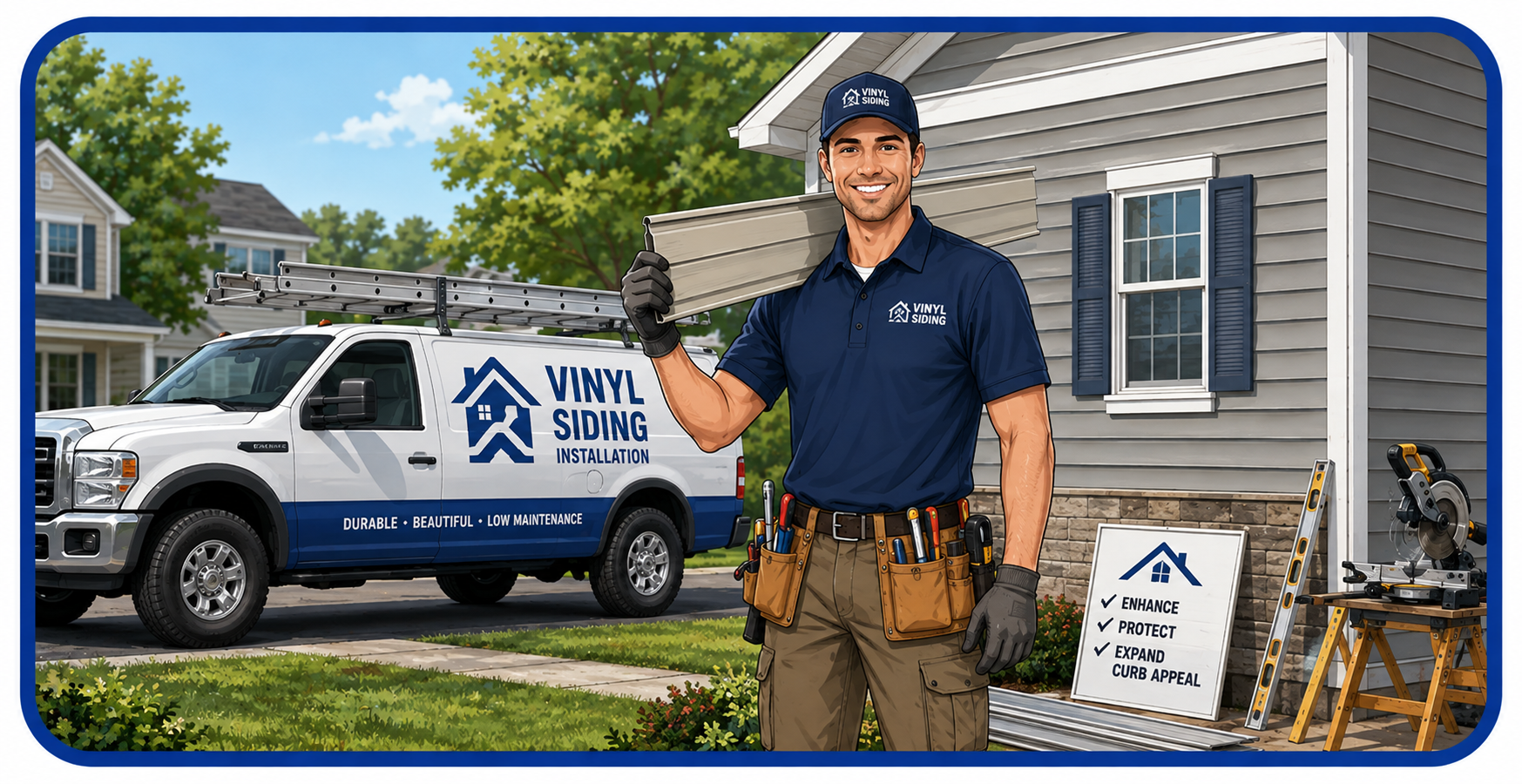
Siding Installation in Washington, DC
New construction, an addition, or bare sheathing waiting on cladding? One call connects you with a licensed, insured independent siding installer in Washington who knows how to lay out a wall so the courses run straight and the water stays out.
- Live dispatch 24/7
- Free, no-obligation call
- Written quotes first
- Independent, licensed & insured pros
Talk to a dispatcher now. Free call, no obligation, routed to an independent local installer.
Tap to Call +1-844-782-0929A Good Siding Install Starts Long Before the First Panel
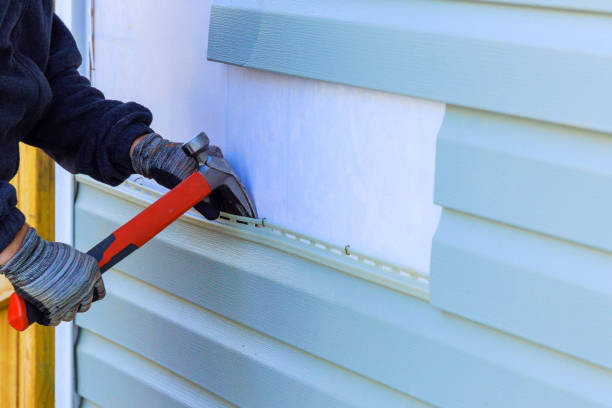
Every siding manufacturer publishes installation instructions, and every warranty depends on following them. That is why a careful installer spends the first hours on a wall not hanging siding, but checking it. Is the sheathing flat and fastened? Is the house wrap lapped like shingles with taped seams? Were windows flashed in order, sill pan first, then jambs, then the head?
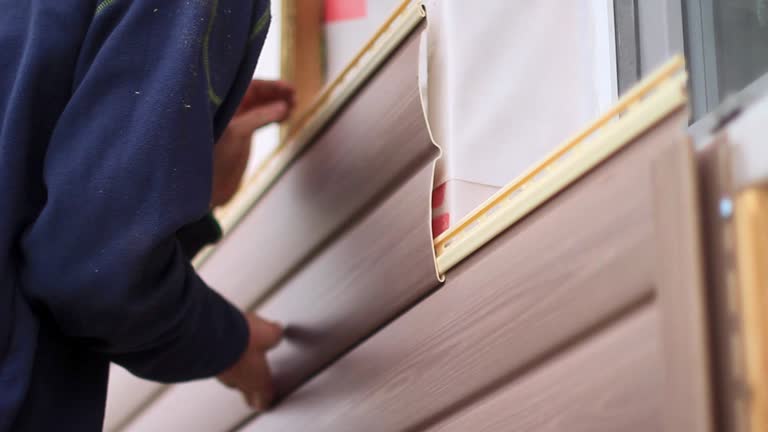
Then comes layout. A seasoned installer builds a story pole, marks where courses will land relative to window sills and heads, and adjusts the starting height so you do not end up with a sliver of a course under a window. The starter strip goes on a snapped level line, not the foundation, because foundations are rarely level.
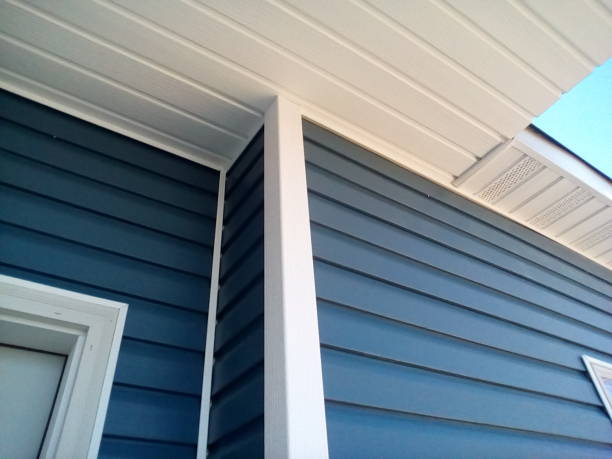
The finishing details are where amateur installs show. You want plumb corner posts, J-channel lapped so water sheds out, utility trim and snap-lock punches under sills, and gaps left at every end for movement. Your call goes to an independent installer in Washington who treats every wall this way.
Why Choose Our Specialized Siding Installation in Washington, DC
The independent installers we route Washington calls to approach every wall like it carries their name.
Licensed & Insured Installers
Calls go to independent installers who represent that they carry the licensing and insurance Washington requires. Ask for the certificate before the first panel goes up.
Fast Local Dispatch
Builders hate waiting on cladding, and so do homeowners. Matching you with installers working near Washington keeps estimate visits quick to book.
Upfront, Written Pricing
Network installers price the job per square and spell out trim, flashing, and accessories separately. You approve the number before materials are ordered.
Specialized Install Tools
Expect a siding brake for custom trim, a snap-lock punch, a nail-slot punch, laser levels, and the correct blades for each material. The right tools give tighter joints and crisper lines.
To be clear, Dominguez Construction Siding is a free referral service and not the contractor. Every pro you are connected with runs an independent business, so verify their license, insurance, and permits before the job starts.
Siding Installation Services in Washington
From a single addition to a full custom home, these are the installation jobs we route most often.
New Home Siding Installation
Complete siding installs on new homes, timed around the builder's schedule. Installers check the wrap and flashing before anything gets covered.
Home Additions and Bump-Outs
Blending new siding into the old walls takes skill. Skilled installers match the reveal and profile, lap new wrap into the existing barrier, and carry the courses straight across.
Insulated Vinyl Installation
Insulated vinyl adds rigidity, resists dents, and contributes some insulation. It needs wider accessory pockets and careful trim planning around windows.
Vertical and Board-and-Batten Installs
Vertical profiles need horizontal blocking or furring so every panel has solid nailing. Installers space battens so they land evenly at corners and windows.
Rainscreen Installations
A rainscreen gap behind the cladding lets water drain and the wall dry. It is common under fiber cement and wood in wet climates and on walls that take heavy weather.
Detached Garages and Outbuildings
Smaller structures still need the same flashing and fastening details. Installers can match the main house so everything looks uniform.
What an Installer Checks Before Hanging the First Course
Every install begins with a hard look at the substrate. An installer sights down each wall for bows and dips, because siding telegraphs every wave in the sheathing. Proud nail heads get set, loose sheets get re-nailed, and any OSB that swelled from weather exposure during framing gets planed or replaced.
Next comes the water plan. The installer verifies the wrap is lapped correctly, checks each window for a sill pan and taped jambs, and marks every roof-to-wall junction for kick-out flashing ahead of the siding. Hose bibs, dryer vents, and fixtures get mounting blocks so the siding does not have to be jammed around them.
Only then does layout start. Soffit-to-foundation measurements, window heights, and porch lines all go into a course plan that keeps the reveal even and avoids skinny strips. That preparation is what makes a finished wall look planned instead of pieced together.
Typical installation requests
- New homes waiting on siding after framing
- Additions that must blend with the old walls
- Garages and accessory buildings
- Switching to insulated vinyl or fiber cement
- Remodels left with open sheathing
From Bare Sheathing to Finished Siding in Four Steps
Call Dispatch
Share your address, the project type, the material you want, and your timeline. Builders are welcome to send plans or elevations.
Rapid Mobile Arrival
A local independent installer visits to measure, count windows and corners, and inspect the sheathing.
Expert Assessment & Quote
You receive a written per-square quote listing trim, flashing, wrap, and accessories, along with a timeline.
Installation & Walkthrough
Once approved, the wall is prepped, flashed, and sided to manufacturer specs, then you walk the finished job together. Hold on to the warranty documents.
What Washington Callers Said About Their Installations
Follow-up notes from Washington callers, shared with permission and trimmed for length.
Our addition sat in house wrap for a month because the framer's siding guy disappeared. One call and an installer was out in two days. The new siding lines up perfectly with the old house.
Christine H.Addition siding, WashingtonHe built a story pole before hanging a single panel and showed me how the courses would land at every window. I have never seen siding look so even.
Darnell J.New construction, WashingtonWe chose board-and-batten for our detached garage. The installer put up furring strips first so every piece had proper nailing. Great work, honest written quote.
Melissa K.Garage siding, WashingtonThe installer caught that our builder never taped the house wrap seams and fixed it before siding went on. That alone was worth the call.
Omar S.New home siding, WashingtonOur backyard ADU had to match the house before final inspection. The installer nailed the reveal and wrapped up before our deadline.
Gloria T.ADU siding, WashingtonCommon Questions About Siding Installation
How much does siding installation cost in Washington?
It depends on material, wall area, height, and how much trim the house needs. Installers usually price by the square, which is 100 square feet of wall, plus trim and accessories. You will get a written number after the site visit.
How long does a new siding installation take?
A typical house takes a few days to a week once materials arrive. Complex trim, tall walls, and weather can extend that.
Can new siding go over old siding?
It can be done in some cases, though most installers prefer removing the old siding to check the sheathing and flashing. Siding over rot or missing flashing only buries the issue.
What is the best time of year to install siding?
Siding can go up most of the year. Vinyl gets brittle in deep cold and needs gap adjustments for temperature, and paint and caulk on fiber cement and wood need mild weather. Spring and fall book up fast.
Does new siding need a permit in Washington?
A permit is often needed for new siding or a full re-side, particularly if sheathing is involved. A reputable installer will check with the local building office and file for it.
Will the installation be covered by a warranty?
The product warranty applies when the siding is installed per the manufacturer's instructions. Workmanship warranties come from the installer, so ask what they offer in writing.
Where We Route Installation Calls
Installation calls are routed from all over Washington, including infill lots, new subdivisions, and nearby rural land.
Builders, remodelers, and homeowners are all welcome to call. The zip codes and nearby cities below show the coverage area.
Remodelers with exposed walls mid-job are welcome to call, since an installer can usually close up open sheathing fast and keep the project moving.
Calls are answered around the clock, including nights, weekends, and holidays, and each one is routed to an independent contractor who already works in or near Washington. Keeping it local cuts drive time and puts a pro on your job who knows the area's weather, housing styles, and permit process. If you are just outside the city limits, call anyway, because coverage often reaches neighboring towns and unincorporated areas. Calling is always free, and there is no obligation to hire.
Get a Washington Installer on the Phone
Call now for a free, no-obligation connection to a licensed, insured independent installer in Washington.
Call +1-844-782-0929 Now